The 47-Step Process of Psyching Yourself Up to Make a Two-Minute Phone Call
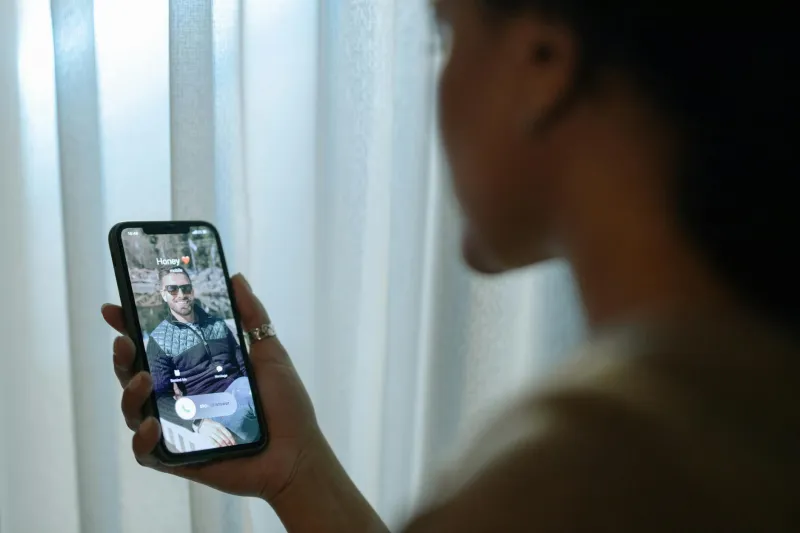
The Initial Recognition
You see it there, taunting you from your phone screen: "Missed call from Mom - 2 hours ago."
Two hours. In phone-call years, that's basically a lifetime. You know you should call her back. You want to call her back. You love your mom! But somehow, the simple act of pressing those ten digits has become more daunting than filing your taxes.
The Rationalization Phase
Maybe she's busy right now. I don't want to interrupt her dinner.
It's probably not important anyway. If it were urgent, she would have texted.
I should wait until I have more time to really talk. You know, when I can give her my full attention.
Never mind that you just spent 20 minutes watching TikToks of people organizing their spice racks. Clearly, your attention is very precious and must be carefully allocated.
The Pre-Call Intelligence Gathering
Before making any phone call in 2024, you must first conduct thorough reconnaissance:
- Check their social media to see if they've posted anything recently (are they even alive?)
- Review your last text conversation for context clues
- Try to remember what you talked about last time to avoid accidentally bringing up the same story twice
- Calculate time zones if they live anywhere other than your exact location
This research phase can easily consume 15 minutes, which is longer than the actual phone call will be.
The Script Development
You can't just wing a phone call anymore. That's chaos. That's how you end up with awkward silences or, worse, talking over each other.
You need talking points:
- How you've been ("Good, staying busy!")
- Something interesting that happened recently (quickly scan your memory for anything more exciting than grocery shopping)
- Questions to ask them (weather is always safe)
- An exit strategy ("Well, I should probably let you go...")
The fact that you're preparing for a casual conversation with someone you've known your entire life like it's a diplomatic negotiation doesn't strike you as odd. This is just how we live now.
The Perfect Timing Calculation
When is the ideal time to make this call? It's like trying to solve a complex mathematical equation:
- Not too early (what if they're still sleeping?)
- Not during typical meal times (11:30 AM - 1:00 PM is lunch territory)
- Not too late (anything after 8 PM feels presumptuous)
- Not during prime TV hours (you're not a monster)
- Definitely not on a Monday (who wants to talk on a Monday?)
- Probably not on a Friday either (they might be trying to start their weekend)
By this logic, the only acceptable time to call anyone is Tuesday at 2:47 PM, which explains why nobody talks on the phone anymore.
The False Starts
You pick up your phone with determination. Today is the day. You're going to make this call like a functioning adult who isn't intimidated by basic human communication.
You open your contacts, find their name, hover your thumb over the call button...
And then you remember you should probably use the bathroom first. You know, just in case it's a long conversation.
Fifteen minutes later, you're back, ready to try again. But now you're wondering if you should eat something first. Low blood sugar could affect your conversational abilities.
Another twenty minutes pass. You've now been "about to make this phone call" for longer than most actual phone calls last.
The Negotiation with the Universe
Okay, universe, here's the deal: I'm going to call, but if they don't answer on the first ring, I'm hanging up and trying again later. That's fair, right?
Actually, let's make it three rings. One ring is too eager, but three rings shows I'm patient.
But what if they answer on the fourth ring and I've already decided to hang up? That would be awkward.
Fine, five rings. Five rings is my final offer.
You're literally negotiating with nobody about arbitrary phone-ringing rules you just invented.
The Moment of Truth
You take a deep breath like you're about to perform surgery. Your thumb hovers over the call button. This is it. No more delays, no more excuses.
Ring.
Oh god, what have I done? There's no going back now. They're going to see my name on their screen and know that I, a grown adult, called them on the phone like some kind of savage.
Ring.
Maybe they won't answer. Maybe this was all for nothing and I can go back to texting like a civilized person.
Ring.
Should I hang up? Is it too late to hang up? What's the protocol here?
The Secret Relief of Voicemail
"Hi, you've reached—"
Yes! Voicemail! The sweet relief of not having to have an actual conversation floods through you. You can just leave a quick message and fulfill your social obligation without the unpredictable chaos of live human interaction.
"Hey, it's me! Just calling you back. Nothing urgent, just wanted to catch up. Call me when you get a chance, or don't worry about it, whatever works for you. Okay, bye!"
Perfect. You've successfully communicated without actually communicating. This is the dream.
The Immediate Regret
As soon as you hang up, the analysis begins:
Did I sound weird? I think I talked too fast.
Why did I say "or don't worry about it"? Now they might think I don't actually want them to call back.
Should I have been more specific about what I wanted to talk about?
What if they think something's wrong because I called instead of texted?
You've managed to turn leaving a 15-second voicemail into a source of anxiety that will last for hours.
The Modern Paradox
The irony isn't lost on you that you carry a device capable of instantly connecting you to virtually anyone on the planet, and yet using it for its original purpose – making phone calls – has become more stressful than public speaking.
You can order food, hail a ride, transfer money, and conduct entire relationships through text, but ask you to have a spontaneous voice conversation? That requires a three-day recovery period and a detailed post-call analysis.
The Generational Divide
Your parents call people without warning, like absolute psychopaths. They pick up the phone, dial a number, and just... talk. No preparation, no script, no existential crisis about proper phone etiquette.
Meanwhile, you treat every phone call like a formal presentation, complete with rehearsed talking points and backup topics in case the conversation lags.
They find this hilarious. "Just call them!" they say, as if it's that simple. As if you can just bypass the elaborate mental preparation required to engage in real-time vocal communication.
The Cycle Continues
Tomorrow, you'll get another missed call. And you'll go through this entire process again, because apparently, this is who you are now: someone who needs 48 hours and a detailed action plan to return a phone call.
But hey, at least you're not alone in this madness. An entire generation of people are out there, staring at their phones, psyching themselves up to make basic phone calls like they're preparing for battle.
And somehow, despite all this anxiety and preparation, when you finally do connect with someone, the conversation flows naturally and you remember why people used to call each other all the time.
Until you hang up and immediately start dreading the next time you'll have to do it all over again.