The Sacred Ritual of Product Preservation
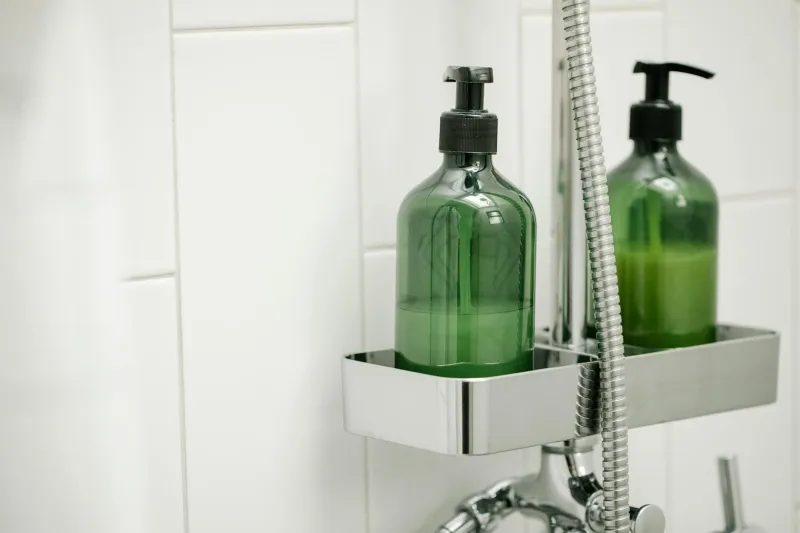
Somewhere in your bathroom right now, there's a shampoo bottle that contains approximately 0.3 ounces of actual shampoo and 4 ounces of water you've added over the past six weeks. You know this. Everyone in your household knows this. Yet there it sits, taking up prime shower real estate like some kind of hair care monument to your inability to let go.
Welcome to the mysterious world of the Almost-Empty Container Syndrome, where logic goes to die and grown adults perform elaborate rituals to extract the final molecules from products that cost less than a coffee.
The Mathematics of Denial
Let's do some quick math here. That fancy organic face wash that's been "almost empty" for three months? It originally cost $24. The amount of product you've extracted through various engineering feats over the past month is worth approximately 47 cents. The mental energy you've expended figuring out how to get that last bit out? Priceless.
Yet somehow, buying a new bottle feels like admitting defeat. Like you're quitting on the old bottle just when it needs you most. You've developed an emotional attachment to a plastic container that would probably be relieved to finally make it to the recycling bin.
The Water Addition Protocol
Ah, the water trick. This is where things get scientifically questionable. You add a little water to thin out that last bit of shampoo, creating what can only be described as "shampoo-flavored water." You tell yourself it still works just as well, even though you're basically washing your hair with expensive tap water at this point.
The water addition protocol has stages:
Stage 1: Just a tiny bit of water to loosen things up Stage 2: A little more water because that didn't quite work Stage 3: So much water that you're essentially using homeopathic shampoo Stage 4: The bottle is now 90% water, but you're committed to this journey
The Great Tube Surgery
Toothpaste tubes bring out the MacGyver in all of us. First, you squeeze from the bottom like a civilized human being. Then you start rolling it up, creating what looks like a tiny sleeping bag for dental hygiene products.
But that's just the beginning. Next comes the advanced techniques: cutting the tube open with scissors to access the hidden reserves clinging to the sides. You're performing surgery on oral care products, scraping out paste with a Q-tip like you're conducting an archaeological dig.
By the end, you've extracted enough toothpaste for maybe three more brushings, but you've spent more time on this project than it would take to walk to the store and buy a new tube.
The Condiment Conspiracy
Ketchup bottles are the ultimate test of your almost-empty container commitment. That last inch of ketchup requires engineering skills that NASA would admire. You flip the bottle upside down days in advance, like you're aging wine. You bang it on the counter with the precision of a percussionist. You perform the ancient ritual of inserting a knife to coax out the final drops.
Meanwhile, there are three backup bottles of ketchup in your pantry because you also have the contradictory compulsion to stock up on things at Costco. You are simultaneously the person who refuses to throw away a nearly empty bottle and the person who owns enough ketchup to supply a small restaurant. The human psyche is a beautiful contradiction.
The Lotion Limbo
Pump bottles of lotion present their own unique challenges. When the pump stops working, most people would consider this a sign. But not you. You unscrew that pump like you're defusing a bomb and dive in with your fingers, extracting lotion with the dedication of a truffle hunter.
You've probably gotten more upper body exercise from shaking and manipulating that bottle than from your actual workout routine. Your neighbors have definitely heard the rhythmic thumping of you trying to get gravity to cooperate with your skincare regimen.
The Stockpile Paradox
Here's the beautiful irony: while you're performing these elaborate conservation rituals on one nearly empty product, you probably have multiple backups stored elsewhere. Your linen closet looks like you're preparing for the apocalypse, stocked with enough toiletries to supply a small hotel.
You are simultaneously the person who cannot waste a single drop and the person who panic-buys in bulk. You're living in both feast and famine mode at the same time, hoarding resources while also refusing to access them until the current supply is completely, utterly, scientifically exhausted.
The Emotional Investment
Somewhere along the way, these containers stopped being products and became projects. You've invested so much time and creative energy into extracting their contents that throwing them away feels like abandoning a friend. That shampoo bottle has been through so much with you – late nights, early mornings, the great water-addition experiment of last Tuesday.
It's not really about the money anymore. It's about seeing something through to the bitter end. It's about proving that you're not wasteful, that you're resourceful, that you can make things last. Even if "making things last" means spending fifteen minutes with a butter knife trying to scrape moisturizer out of a jar.
The Liberation
The day you finally throw away that almost-empty container is both tragic and triumphant. There's a moment of silence as you drop it in the trash, followed immediately by the guilty pleasure of opening a fresh, full replacement.
That first pump of new lotion, that first squeeze of unthinned shampoo – it's like drinking water after wandering in the desert. You remember what these products are supposed to feel like when they haven't been diluted into oblivion.
But even as you enjoy your new products, you know it's only a matter of time. Soon enough, these fresh bottles will join the ranks of the almost-empty, and the cycle will begin again. Because somewhere deep in your soul, you know that the real victory isn't in the using – it's in the refusing to give up until the very, very end.