When Instagram Algorithms Become Your Life Coach: A Digital Intervention
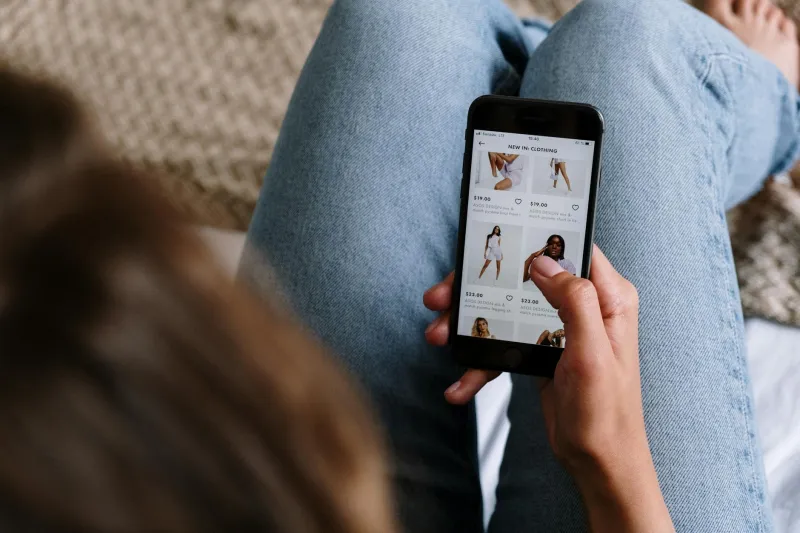
It starts innocently enough. You're lying in bed, thumb-scrolling through your Instagram feed at 11:47 PM, watching your friend's cousin's dog eat a birthday cake, when suddenly the algorithm strikes. There it is: a 15-second video of someone who looks like they've never experienced stress, holding a water bottle that apparently contains the secret to eternal happiness.
"I used to be tired all the time," chirps the unnaturally glowing person on your screen. "Then I discovered proper hydration."
And just like that, you've been personally attacked by targeted advertising.
The Moment of Digital Reckoning
Suddenly, you're having an existential crisis about water consumption. When was the last time you drank water? Real water? Not coffee, not that Diet Coke from lunch, not the water that technically exists in your iced tea. Actual, pure, life-giving H2O?
You can't remember, and this feels like a personal failure of epic proportions. Here you are, a grown adult who somehow forgot how to drink the most basic substance required for human survival. The person in the ad is right – you ARE tired all the time. You DO feel sluggish. Your skin probably does look like you've been living in a desert.
The algorithm has identified your weakness and is now serving you targeted content with the precision of a heat-seeking missile.
The Rabbit Hole of Self-Improvement Ads
What follows is a carefully orchestrated assault on your self-esteem, disguised as helpful lifestyle content. The water bottle ad was just the beginning. Now you're getting ads for:
- A posture-correcting device, because apparently you've been sitting wrong your entire adult life
- Blue light glasses, because your screen time is definitely destroying your sleep (says the ad you're watching on a screen at midnight)
- A meditation app, because your stress levels are probably visible from space
- Some kind of superfood powder that will allegedly transform you into the person you were meant to be
Each ad features the same type of person: impossibly put-together, radiating the kind of inner peace that can only come from drinking enough water and maintaining perfect spinal alignment.
The Comparative Analysis Spiral
You start doing mental math. When DO you drink water? There's the glass you fill every morning with the best intentions, then abandon on your nightstand until it becomes room temperature and somehow tastes like disappointment. There's the bottle you bought six months ago that's been living in your car, accumulating a layer of dust that suggests it's achieved some kind of permanent residence status.
Meanwhile, the people in these ads are apparently drinking 64 ounces of perfectly temperature-controlled water daily while maintaining flawless posture and achieving optimal REM sleep cycles. They're living in a parallel universe where self-care isn't something you feel guilty about not doing.
The Shopping Cart of Good Intentions
Before you know it, you're three clicks deep into a website, reading customer reviews for a $47 water bottle that promises to "revolutionize your hydration experience." The reviews are suspiciously enthusiastic. "This bottle changed my life!" writes Jennifer from Ohio. "I've never felt more hydrated!" raves Michael from Portland.
You're adding things to your cart with the fervor of someone preparing for the apocalypse. The smart water bottle. The posture reminder device. A subscription to that meditation app. Some blue light glasses that make you look like you're cosplaying as a computer programmer from the future.
Your total is approaching your monthly grocery budget, but this isn't about money – this is about becoming the version of yourself that drinks water consistently and sits up straight.
The Post-Purchase Reality Check
Two days later, your packages arrive. The water bottle is beautiful, sleek, and comes with an app that tracks your intake and sends you passive-aggressive notifications about your hydration goals. You fill it up, take a sip, and... it tastes like water. Expensive, app-connected water, but still just water.
The posture device makes you feel like you're wearing a very judgmental brace that buzzes every time you slouch, which is apparently every three minutes. The blue light glasses give you a headache, and the meditation app keeps sending you notifications to "find your inner peace" while you're stuck in traffic.
The Cycle Continues
A week later, the smart water bottle is sitting on your counter, uncharged and judgmental. The posture device is in a drawer somewhere, probably plotting its revenge. You're back to drinking coffee and forgetting about water until you're so dehydrated that your lips feel like sandpaper.
But here's the kicker: you're not even mad about it. Because yesterday, a new ad appeared on your feed. This time it's about sleep optimization and something called a "sunrise alarm clock" that will apparently solve all your problems by gently waking you up with simulated natural light.
And honestly? The person in the ad looks really well-rested.
The Algorithm Knows You Better Than You Know Yourself
The truly terrifying part is how accurate these targeted ads are. They're not selling you products; they're selling you solutions to problems you didn't know you had until they pointed them out. They've turned scrolling into a therapy session where a computer algorithm diagnoses your life choices and prescribes retail therapy.
You realize you've become part of a vast ecosystem where your insecurities are data points, your browsing habits are psychological profiles, and your impulse purchases are just confirmation that the system works exactly as designed.
The algorithm doesn't judge you for buying a $60 water bottle that you'll use for exactly one week. It just files that information away and starts serving you ads for expensive organizational systems, because clearly someone who impulse-buys hydration solutions might also be interested in color-coded planners.
The Beautiful Irony
The most relatable part of this entire experience? You know you're being manipulated, and you kind of don't care. There's something oddly comforting about having a computer program that pays attention to your lifestyle choices and offers suggestions, even if those suggestions come with a price tag and suspiciously attractive testimonials.
At least someone's thinking about your hydration levels, even if that someone is an algorithm trying to sell you things.
And hey, maybe this time will be different. Maybe this new product really will be the thing that transforms your daily routine and unlocks your potential. Maybe you really will drink more water, sit up straighter, and achieve optimal wellness.
Or maybe you'll just have a collection of expensive gadgets that remind you of all the ways you thought you could improve your life with the right purchase. Either way, your targeted ads will adapt accordingly, and the cycle will continue.
Because apparently, the only thing more persistent than our desire for self-improvement is our ability to convince ourselves that the next product will definitely be the one that works.