The Invisible Leaderboard You're Running on Everyone in Your Phone
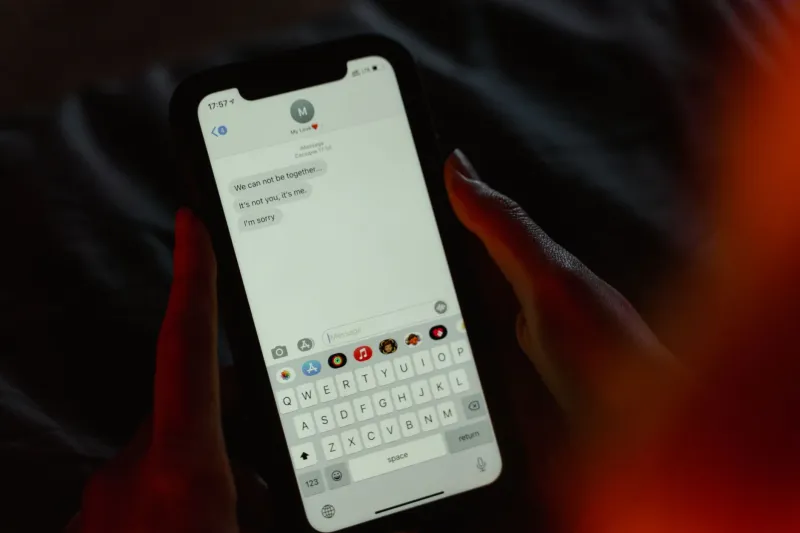
Nobody talks about it. Nobody admits it. But if you handed most people a pen and told them to rank their ten closest friends by how quickly they respond to texts, they could do it. Confidently. Without hesitating.
Because you've been collecting this data for years.
Not on purpose, obviously. You didn't sit down one day and decide to build a response-time database on everyone you care about. It just... happened. Quietly, in the background, like a software update you never approved. And now it runs constantly, scoring every interaction, updating the standings in real time, and occasionally sending you an alert that someone has dropped three positions after leaving you on read for six hours on a Tuesday.
This is completely normal. This is also maybe a little bit of a problem.
The Tiered System You've Never Acknowledged Out Loud
Every person in your contacts has been sorted, without ceremony, into one of several categories.
The Instant Responders are in a class by themselves. These are the people who reply within minutes, sometimes seconds, often before you've even put your phone back down. You love them. You trust them completely. You would do anything for them, partly because they're great and partly because their response time has rewired your brain to associate them with safety and warmth.
The Reliable Ones come in within the hour. Not instant, but consistent. You know they'll get back to you. There's no anxiety spiral with these people — just a comfortable expectation that the conversation will continue at a reasonable pace. They are the backbone of your social world and they deserve more credit than they get.
The Wild Cards are the people whose response time operates on its own logic. Sometimes they reply in four minutes. Sometimes they reply four days later with "haha sorry just saw this" and absolutely no further explanation. You genuinely cannot predict them. Texting a Wild Card is like submitting a support ticket — you know something will happen eventually, you just have no idea when.
The Slow Lane is populated by people you've accepted will take a while. This isn't necessarily a reflection of the friendship — some of them are your closest people — but the response time has been clocked, documented, and filed. You adjust your expectations accordingly. You also check your phone slightly more than you'd like to admit.
And then there's the one person whose delayed responses have, at some point, caused you to stare at your phone and conduct a full forensic review of your last message to figure out what you possibly could have said that warranted this level of silence.
The Paranoia Math
Here's where it gets specific.
You sent a message. It's been read — you can see that. The little notification tells you they saw it. And yet: nothing. So your brain, being the helpful and completely rational organ that it is, begins running calculations.
Fifteen minutes? Fine. They're busy. Normal.
Forty-five minutes? Okay. Maybe they're in a meeting. Or driving. Or doing something that doesn't involve their phone, which is a thing people technically do.
Two hours? You are now casually replaying the last three conversations you had with this person looking for the moment things shifted.
Five hours? You have drafted and deleted a follow-up message twice. You have not sent it. You are not going to send it. But it exists.
Next day? You have moved on. You are fine. You are absolutely fine. You respond immediately when they eventually text back, and you do not mention the gap, and you never bring it up, and it goes in the file.
The Part Where You Are Also the Problem
Here is the uncomfortable section of this article.
You are someone else's Wild Card.
You know it. There are people in your life — good people, people who like you, people who sent you a perfectly reasonable message — who are currently sitting somewhere, phone in hand, running the exact same paranoia math on you.
Because you saw the message. You meant to reply. You thought about replying. You composed a response in your head that was actually quite good. And then something happened — not a dramatic something, just the ambient static of existing — and now it's been four hours and replying feels slightly more complicated than it did before, even though nothing has changed except the amount of time that has passed, which has now become its own small obstacle.
You will reply. You're going to reply right after you finish reading this. Probably.
The Conclusion Nobody Wants
The honest truth is that response time is a terrible proxy for how much someone cares about you. People have jobs and anxiety and bad days and phones that are perpetually on 4% battery. A slow reply is almost never a verdict on the friendship.
You know this. You believe this. You would tell a friend this if they brought it up.
And then someone takes three hours to respond to a fairly casual message and you spend forty minutes wondering if you said something weird.
The leaderboard remains open. The standings will be updated shortly.