I Brought a Tote Bag to the Grocery Store Once and Now I'm Basically Living Off the Grid
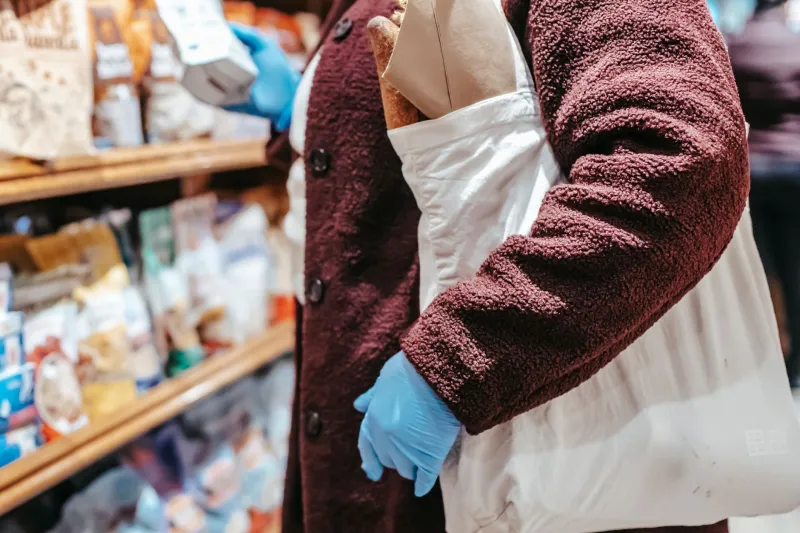
I Brought a Tote Bag to the Grocery Store Once and Now I'm Basically Living Off the Grid
The tote bag lives by the front door. It has lived there for eleven months. It has made it to the grocery store exactly four times, and on each of those occasions, I arrived home feeling the specific quiet satisfaction of someone who has made a difference. Not a big difference, necessarily. But a difference. The kind of difference that accumulates, theoretically, over time, into something meaningful.
The other forty-seven grocery runs happened without it. I used plastic bags. Some of them are now under my sink in a larger plastic bag, which I am keeping because you can recycle those at certain grocery stores, and I fully intend to do that at some point, and that intention is doing a lot of work right now.
The Tote Bag Industrial Complex
Let's be honest about where this started. The tote bag was not purchased. The tote bag was acquired — at a conference, a farmers market, a bookstore, some event where it was handed to you as a bonus item and you took it because it was free and because it had a nice weight to it and because, in that moment, you felt like the kind of person who uses tote bags.
You now own seven tote bags. Three are in a closet. Two are in your car, technically available for grocery use, which is almost as good as actually using them. One has become the bag you put other bags in. One lives by the front door, where it is doing important symbolic work.
Collectively, these bags represent your commitment to sustainability. Individually, none of them have prevented a single plastic bag from entering the world. But together? Together they are a system. A system in development.
The Metal Straw Chapter
The tote bag was just the beginning. At some point — probably after a video you watched that made you feel genuinely bad for about four minutes — you acquired a metal straw. Maybe a set of them. They came in a little pouch with a cleaning brush, which suggested a level of maintenance commitment you were not fully prepared for.
The metal straw lives in a kitchen drawer. It has been used approximately three times, all at home, where you could have just drunk directly from the glass. It has never made it to a restaurant, which is where straws are actually distributed. It has never made it into your bag, partly because you don't always bring a bag, and partly because remembering the metal straw requires a level of advanced planning that your mornings do not currently support.
But you have one. And that matters. It's there. It exists. In the drawer, next to some takeout chopsticks you're also keeping, it is quietly offsetting something.
The Shipping Option Moral Victory
This is where the credentials really start to compound. You have, on multiple occasions, selected the slightly greener shipping option at checkout — the one that says something like "consolidated delivery" or "eco-friendly shipping" and adds two days to your arrival window in exchange for a small icon of a leaf and a feeling of profound righteousness.
You chose that option. You waited the extra two days. You watched the standard shipping option taunt you with its faster timeline and you said, no. Not today. That is sacrifice. That is a value system in action.
The fact that you then drove to Target the next morning to buy the same item because you didn't want to wait is beside the point. The point is the intention. The intention was green. The intention was good. The leaf icon was real.
The Ledger
Here is how the accounting works, if you are being generous with yourself, which you absolutely are:
On the positive side: four tote bag deployments, one metal straw purchase, several eco-shipping selections, a brief period where you turned off the faucet while brushing your teeth, and one time you genuinely considered composting and looked up how to start a compost bin before closing the tab.
On the other side: two drive-through visits this week, alone in the car, engine running. A recycling bin that contains, if you're honest, a meaningful percentage of wishful recycling — items you put in there because they seemed recyclable, in the spirit of the thing.
The ledger, by any objective measure, does not balance. But objective measures are not really the point here. The point is the direction. You are trending green. You are on a journey. The tote bag by the door is a symbol of where you are headed, not necessarily where you are right now.
Next week you're going to remember to bring it.
You can feel it.